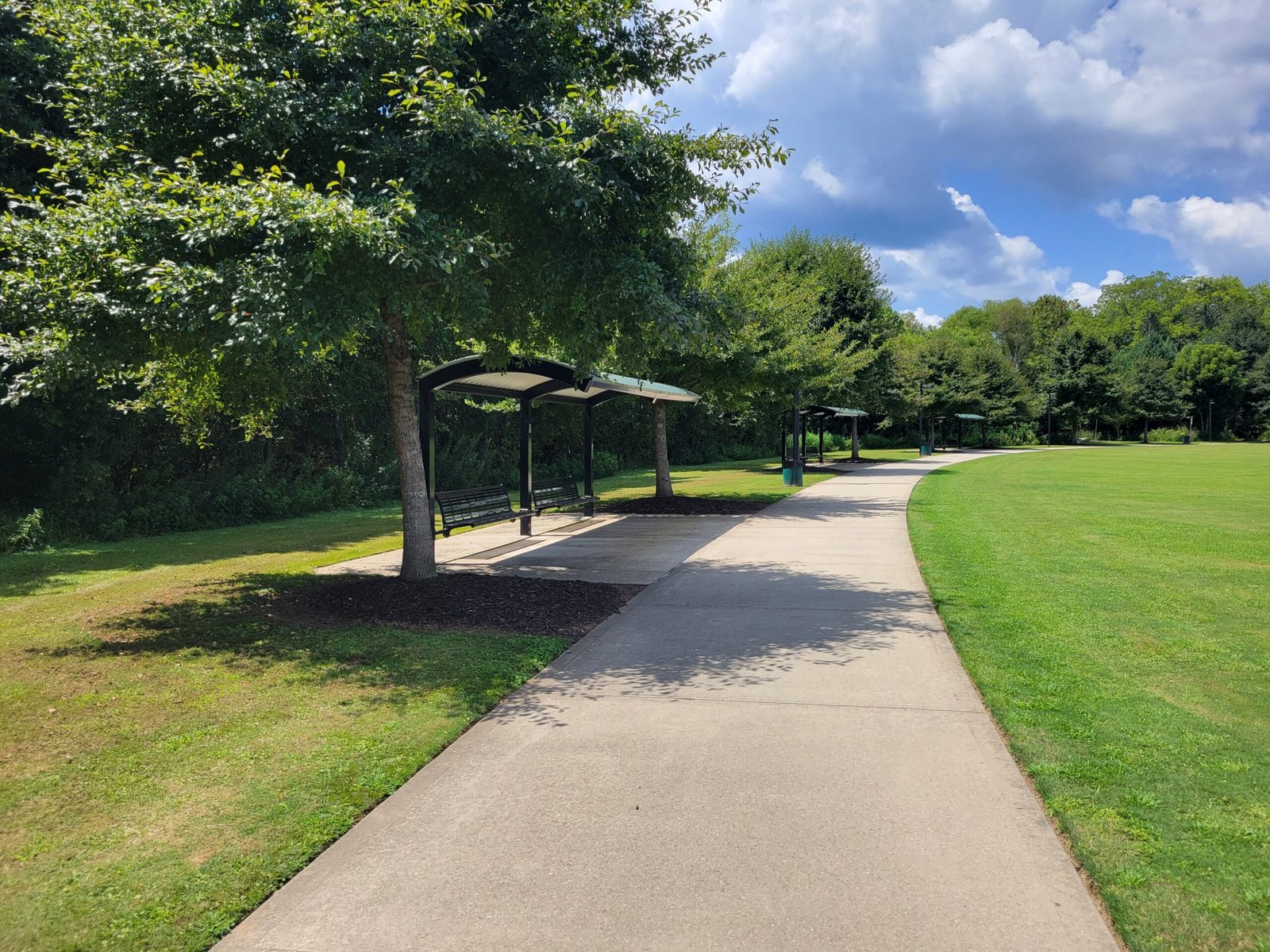
Walking burns more fat than most people give it credit for. Unlike high-intensity training, it doesn’t spike cortisol, doesn’t leave you hungry an hour later, and doesn’t require recovery time. It’s the kind of habit that compounds quietly over weeks — which is exactly why it works.
Here’s how to actually make it count.
Why Walking Works (Even If It Feels Too Easy)
Walking doesn’t spike your appetite the way hard workouts can. It doesn’t require special gear. It doesn’t make you sore for three days. And you can do it almost anywhere.
But the real reason it works is this: you can actually do it consistently.
Most people don’t need a perfect workout plan. They need a habit that sticks. Walking is the easiest habit to build, which makes it one of the most powerful things you can do for your health.
Start with 15 Minutes (Seriously)
If you’re not exercising right now, starting with 45-minute workouts is a recipe for quitting. You’re trying to build a habit, not prove a point.
Start with 15 minutes. That’s it. You can do it after lunch, after dinner, or during a work break. The time doesn’t matter. The consistency does.
If 15 minutes feels like too much, start with 10. If you’re already walking a bit, go to 20. The point is to pick a time that feels almost too easy.
How to Make It Automatic
Here are the three tricks that helped me turn walking into a habit instead of a chore:
1. Attach it to something you already do
I walk right after lunch. I don’t need to think about it. Lunch happens, then walk happens. The more your walk is tied to something predictable, the less willpower you need.
Other options:
- After dropping kids off
- After finishing work
- Before your first coffee
- During your daily call or meeting
2. Make it embarrassingly easy
Don’t overcomplicate it. No special playlist, no step goal, no perfect route. Put on shoes and go outside. That’s the whole plan.
On bad days, lower the bar. “Just 5 minutes.” Most of the time, once you’re outside, you’ll keep going. If you don’t, that’s fine too. The habit still counts.
3. Track it with a simple streak
Habit trackers are annoying until they’re not. I used a simple calendar and put an X every day I walked. Seeing the streak build made me want to keep it going.
You can use your phone, a notebook, or even sticky notes. The tool doesn’t matter. The visual reminder does.
But Is It Enough for Weight Loss?
Walking alone won’t fix a terrible diet. But it makes weight loss easier by:
- Increasing daily calorie burn
- Reducing stress (which lowers stress eating)
- Improving sleep (which helps appetite control)
It’s not flashy, but it’s effective. And because it’s sustainable, it adds up over time.
How to Progress Without Overthinking
After a few weeks, if 15 minutes feels easy, add five more. Or keep the same time and walk a little faster. Or add a gentle hill. You don’t have to do all of it at once.
The easiest progression is just doing it more days per week. Five days beats two, even if the walks are short.
If you like having a simple plan, try this:
- Week 1: 15 minutes, 3 days
- Week 2: 15 minutes, 4 days
- Week 3: 20 minutes, 4 days
- Week 4: 20 minutes, 5 days
That’s it. No complicated schedule. Just a slow, steady ramp you can actually stick to.
What If You Hate Walking?
Then make it less boring. These helped me stick with it:
- Listen to a podcast you actually like
- Call a friend and talk while you walk
- Walk in a new neighborhood once a week
- Walk during a meeting (if you work remote)
The goal isn’t to love walking. The goal is to make it easy enough that you do it anyway.
The “Minimum Effective Dose” Mindset
There’s this idea that if you’re not doing the most, you’re doing nothing. That’s a trap.
Walking 15 minutes a day is not nothing. It’s a real, measurable improvement. And once you have that base, you can build from there.
Think of it like brushing your teeth. You don’t do it because it’s extreme or impressive—you do it because it keeps things stable. Walking can be that kind of baseline habit for your health.
And the best part? You can start today. No equipment, no planning, no big decision. Just shoes, a door, and 15 minutes.
Start small, repeat daily, and let the results compound. You don’t need a perfect plan. You just need a habit you can keep.
Walking is that habit.
Related Reading
- Addition, not subtraction: habit-stacking for sustainable fat loss
- The boring but reliable fat-loss formula
- Why I cried when I hit my goal weight
📚 Want a simple system to track this?
nudge Notes is a printable daily wellness journal built around honest, judgment-free habit tracking. Daily pages for nutrition, water, exercise, sleep, and wellness habits — plus a measurement log focused on waist-to-hip ratio (more reliable than BMI).